
Reviewed · MUSEUMS
Els Calderers House Museum in Mallorca
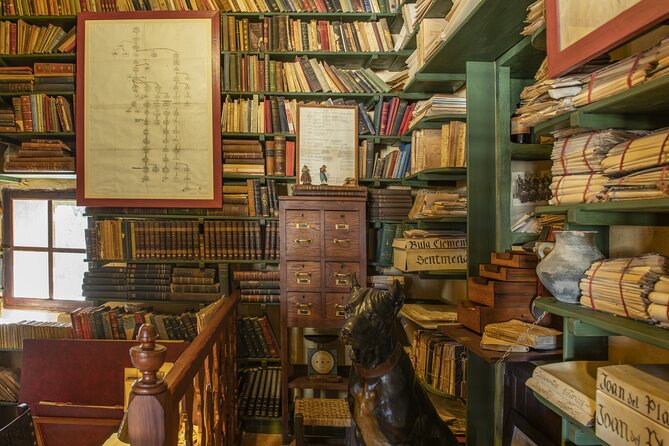
Els Calderers gives you a close look at Mallorca’s old country life, not just a polished manor house. The estate dates from 1750, and its more than 30 rooms show how one prosperous rural family, its staff, and its resident priest lived and worked. I like the authentic furniture and the way the visit moves from elegant rooms to barns, tools, mills, and animal pens. I also like the cool interior, a welcome break on a hot island afternoon.
The main caution is the condition of some outdoor areas and animals. Several parts of the farmyard have drawn serious concern, including bare pens, limited comfort, and a chained dog. I would visit for the house and working-farm displays first, and treat the animal area as an important point to assess for yourself.
In This Review
- Key points at a glance
- Entering Els Calderers near Sant Joan
- A 1750 house that still feels lived in
- From the peasant kitchen to the bread oven
- Workshops, machinery, and the working estate
- The animals and the most important reservation
- What the three-hour visit feels like
- Is the $10.81 admission good value?
- Who will enjoy Els Calderers most?
- Practical advice before you go
- Should you book Els Calderers?
- FAQ
- Where is Els Calderers House Museum?
- How long does the visit take?
- Is admission included?
- Is parking available?
- Is private transportation included?
- Is the experience offered in English?
- Can I cancel for a full refund?
Key points at a glance
- More than 30 rooms: See the hall, chapel, priest’s office, cellar, bedrooms, kitchen, laundry, workshops, and storage areas.
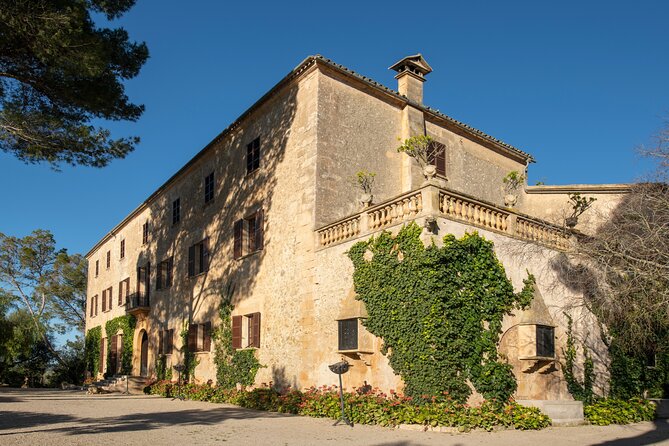
- An estate dating from 1750: The house presents an affluent Mallorcan household with spaces for family, staff, and clergy.
- A full farmyard circuit: The visit includes barns, corrals, a flour mill, bread oven, carpentry shop, blacksmithing area, and machinery for almonds and carob.
- A useful hot-weather stop: The interior is notably cool, making the house pleasant during Mallorca’s warmer months.
- Free parking and a small group limit: Parking is included, and the maximum group size is 15, though larger coach parties may also arrive separately.
- A mixed animal-care picture: Water and shade have been noted in some areas, but other conditions have raised clear welfare concerns.
Entering Els Calderers near Sant Joan
Els Calderers is in the Mallorcan countryside near Sant Joan, at Finca Els Calderers, Camino Els Calderers, 07240 Sant Joan. You make your own way there, since private transportation is not included. Free parking takes some of the stress out of reaching this rural site by car.
Allow about three hours if you want to see the full property without rushing. The visit ends where it begins, so you can leave your car at the estate and collect it after the house, workshops, and farmyard.
The experience is offered in English. An English information sheet gives short explanations for the main rooms, which is useful if no staff member is available to explain every stop. Keep in mind that the room numbering and the sheet’s sequence may not always match perfectly, especially after the kitchen. A little patience helps.
The advertised maximum is 15 people. That is a pleasant size for a historic house, where narrow corridors and small rooms can feel crowded. At busy times, coach groups may arrive too, although they may spend only a short time inside. If you want the calmest visit, arriving outside the busiest part of the day is sensible, though an exact quiet period is not specified.
More museums to visit on Mallorca:
- Manacor: Rafa Nadal Exhibition Entry Ticket
★ 4.6 · 836 reviews - Skip the Line: Rafa Nadal Museum Xperience
★ 4.0 · 196 reviews - Alcudia: Museum Sa Bassa Blanca Entry Ticket
★ 4.5 · 30 reviews
A 1750 house that still feels lived in
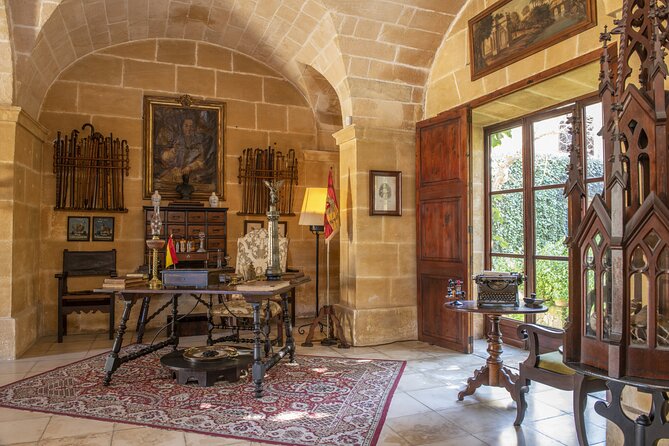
The best part of Els Calderers is the house itself. This is not an empty shell with a few labels on the wall. Period furniture, clothing, household objects, and working equipment fill the rooms, giving you a sense of how the property functioned.
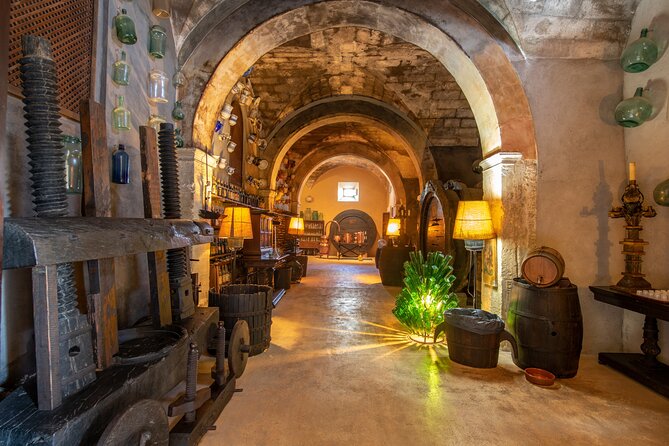
The first section begins on the ground floor with the hall, a second hall, the priest’s office, the chapel, and the cellar. That small chapel and priest’s office are especially revealing. They show how religion was built into daily estate life, rather than kept apart in a distant village church.
The cellar, or celler, shifts the mood from formal to practical. Here, the house begins to feel like a working rural property. You see the link between land, food, storage, and household routine.
The main bedroom and its related rooms follow. These include the common room, dressing spaces for the man and the woman of the house, a corridor, toilet, and ironing room. The arrangement gives you a glimpse of household separation and service. A large rural home required many hands, and the layout makes that social structure easier to understand than a simple display case ever could.
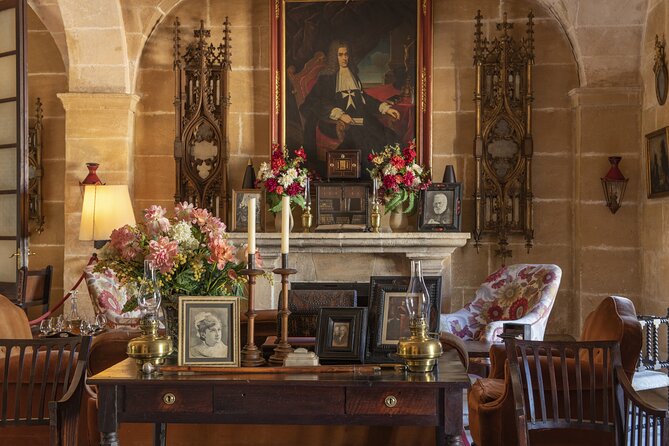
I particularly like the contrast between the public and private areas. Fine objects and carefully arranged rooms suggest wealth, but the connected service spaces keep the visit grounded. You are not looking only at family portraits or formal furniture. You are also seeing the machinery of domestic life.
From the peasant kitchen to the bread oven
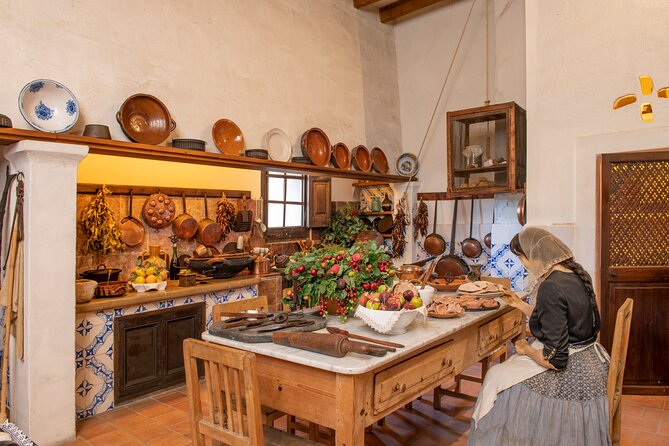
The tour then moves through a long sequence of working rooms. You will see the barn, bedrooms, the mayoral’s office, the peasant kitchen, toilets, bar, souvenir area, bread oven, and laundry.
The peasant kitchen is one of the most useful stops for understanding everyday Mallorca. It points away from the noble household and toward the people who cooked, cleaned, baked, washed, and maintained the estate. The bread oven and laundry add to this picture. They show that food and clothing were produced and cared for on site, with considerable labor.
The mayoral’s office is another practical detail. The title refers to the estate manager or head overseer, the person responsible for keeping the farm running. This room helps connect the polished house with the fields, animals, workers, and seasonal tasks outside.
You might find the bar and souvenir area less historic than the main rooms, but they are useful parts of the visit. The bar can provide a place to pause, and buying tickets there is possible. One practical point: card payment has not always been available at the bar, so carrying another payment method is wise.
The information sheet is brief, with only a sentence or two for many rooms. That keeps the visit simple, but it also means you will need to look closely and draw connections between the objects yourself. If you prefer a formal guided explanation in every room, this may feel light on interpretation.
Workshops, machinery, and the working estate
The final section is where Els Calderers earns its place as more than a manor house. The route reaches the carpentry and blacksmithing areas, machinery linked to carob and almonds, the pig-slaughter room, animal corrals, flour mill, equine corral, and a porch filled with carts and harnesses.
These spaces explain how a large Mallorcan estate handled work before modern farm equipment. The carpentry shop points to repairs and construction. The blacksmithing area shows how tools, fittings, and perhaps horseshoes were maintained. The carts and harnesses make transport easier to picture, especially when you have already seen the house and its storage areas.
The almond and carob machinery is a distinctly island detail. Mallorca’s rural economy depended on crops suited to its climate, and these machines show the processing side of that work. The flour mill and bread oven complete the chain from grain to food.
The pig-slaughter room may be uncomfortable for some people, but it reflects an older household economy in which preserving meat was a major seasonal task. It is not presented as a modern food attraction. It is a historical workroom, and its value lies in showing the hard, practical side of farm life.
If you are interested in historic tools, agriculture, or traditional buildings, plan to spend real time in this final section. It is easy to hurry through the workshops after seeing so many indoor rooms, but the farm equipment gives the estate its wider meaning.
Same island, a completely different kind of day:
- Palma: Cathedral of Mallorca Skip-the-Line Entry Ticket
★ 4.6 · 14,386 reviews - Palma de Mallorca: 5-Hour Catamaran Cruise with Lunch & Swim
★ 4.5 · 9,957 reviews - Porto Cristo: Caves of Hams Entry Ticket
★ 4.2 · 6,548 reviews - Palma de Mallorca: City Sightseeing Hop-On Hop-Off Bus Tour
★ 4.1 · 4,450 reviews
The animals and the most important reservation
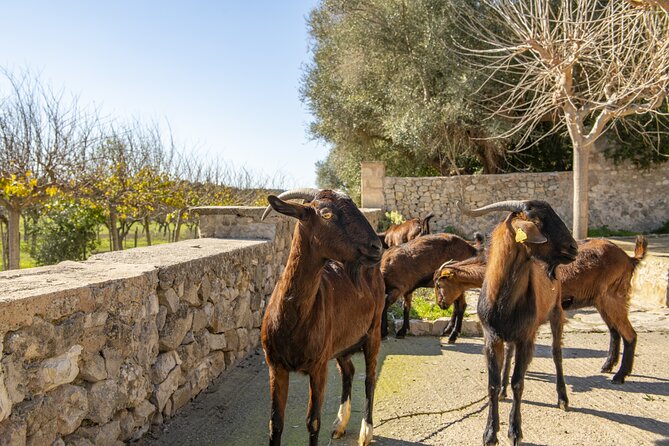
The property includes corrals with different animals, along with a separate equine area. You may see horses, donkeys, cows, pigs, goats, and other farm animals. For families, this can make the visit more immediate. The farm no longer feels like a collection of rooms behind glass.
But I would not gloss over the concerns connected with the animal areas. Conditions have been described as uneven. Some observations note shade and water, clean pens on a particular morning, and animals that appeared appropriately fed. Other accounts describe concrete floors, sparse enclosures, animals standing in hot conditions, and insufficient bedding or comfort. A chained dog has also been noticed.
The climate matters. Mallorca is dry, and you should not expect northern European pasture or lush grass in every enclosure. Still, dry conditions do not remove the need for shade, water, food, clean bedding where appropriate, room to move, and calm handling.
I would look carefully at the animals on the day of your visit. If their care makes you uncomfortable, you can focus on the house and workshops and keep your time in the corrals short. If animal welfare is central to your choice of attraction, this issue may be enough reason to skip Els Calderers.
This is also a place where conditions can change. A pen that looks clean and well supplied one morning may not answer every concern about the wider setup. The safest advice is to make the animal area a conscious part of your decision, not an afterthought.
What the three-hour visit feels like
Three hours is a generous estimate, and that is a good thing. You can move through the house fairly quickly in about an hour, but doing so would reduce Els Calderers to a list of rooms.
I would allow time for the chapel, priest’s office, main bedroom, kitchen, laundry, workshops, and mill. These are the rooms that explain the estate’s social and economic structure. The outdoor displays also deserve time, especially if you want to understand how carts, harnesses, machinery, and animal work fitted together.
The cool interior is a real practical benefit. On a hot day, the house offers a comfortable pause from the sun. The outdoor area, by contrast, may feel exposed, so bring suitable sun protection and water for yourself. The property’s exact facilities for visitors are not fully detailed, so do not depend on a full café-style stop.
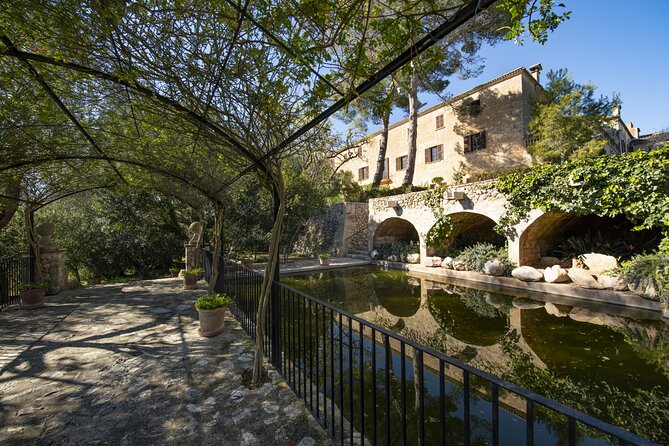
The setting is quiet and rural, with gardens, orchards, barns, and views around the estate. One small maintenance issue has been noted in the orange grove, where bitter oranges had fallen to the ground. That does not define the house, but it suggests that some exterior areas may look less cared for than the beautifully arranged interior rooms.
Is the $10.81 admission good value?
At about $10.81 per person, Els Calderers is reasonably priced for a visit lasting up to three hours. The value is strongest if you enjoy historic interiors and want more than a quick photo stop. You are paying for a large estate with more than 30 rooms, farm buildings, tools, machinery, and free parking.
The price also compares favorably with a standard museum visit because the property gives you several layers of interest. You get domestic history in the house, religious history in the chapel, agricultural history in the workshops, and rural scenery outside.
The value is weaker if you expect a polished, highly staffed attraction. The interpretation can be basic, some displays may feel dusty or worn, and the outdoor animal facilities are a serious concern. You should not book it expecting the finish of a major state museum.
For me, the deciding question is what you want from Mallorca. If you want beaches, grand city monuments, or a tightly narrated tour, spend your money elsewhere. If you want to understand how an affluent rural estate operated, the admission is fair.
Who will enjoy Els Calderers most?
I would recommend Els Calderers to people who enjoy old houses, traditional tools, household objects, and local agriculture. It suits visitors who like to set their own pace and inspect details rather than follow a fast attraction schedule.
It can work well for families because the farmyard, carts, animals, and machinery add variety. Older children may find the workshops and bread oven more interesting than a room-by-room manor tour. The three-hour length gives you room to move slowly, but young children may lose interest in the formal rooms.
History-minded visitors will appreciate the combination of wealth and labor. The house shows how an affluent family lived, while the kitchen, laundry, office, workshops, and barns reveal the workers and systems that supported that lifestyle.
People with limited mobility should check their own needs before booking. The property includes more than 30 rooms, corridors, barns, corrals, and outdoor areas, but the available information does not specify step-free access or detailed accessibility arrangements. Service animals are allowed, and most people can participate.
Practical advice before you go
Book at least a little ahead if your schedule is fixed. The experience is commonly reserved around 10 days in advance, which suggests that planning ahead is useful during a busy Mallorca holiday.
Free parking is included, but transportation to the estate is not. Plan your route carefully and do not assume a transfer from Palma or another resort is part of the admission.
Carry an English information sheet if one is provided at entry, and check the room numbers as you go. The numbering may become confusing after the kitchen, so use the room names as your guide.
Bring a payment alternative for the bar, since card payments have not always been accepted there. Also allow extra time for the final farm and workshop areas rather than treating them as optional add-ons.
Cancellation is flexible if your plans are uncertain. You can cancel for a full refund up to 24 hours before the scheduled start time. Changes or cancellations made within 24 hours are not accepted for a refund, based on local time.
Should you book Els Calderers?
Book it if you want an authentic look at Mallorcan rural life, especially the contrast between an affluent 18th-century household and the farm work that supported it. The preserved rooms, chapel, kitchen, bread oven, mill, tools, and carts make the visit much more substantial than a quick country-house stop.
Think twice if you are highly sensitive to imperfect upkeep or animal-care concerns. The interior is the clear strength, while the outdoor facilities are less consistent. For many people, $10.81 is a fair price for the house alone, but you should decide in advance how you feel about the animal area.
FAQ
Where is Els Calderers House Museum?
It is at Finca Els Calderers, Camino Els Calderers, 07240 Sant Joan, in Mallorca, Spain.
How long does the visit take?
The visit lasts approximately three hours.
Is admission included?
Yes. The experience includes an admission ticket.
Is parking available?
Yes. Free parking is included.
Is private transportation included?
No. You must arrange your own transportation to the meeting point.
Is the experience offered in English?
Yes. The experience is offered in English, and an English information sheet may be available for the main rooms.
Can I cancel for a full refund?
Yes. You can cancel at least 24 hours before the scheduled start time for a full refund. Cancellations or changes made less than 24 hours before the start time are not accepted for a refund.
Just added around Mallorca
- Discover the major cultural attractions of Palma De Mallorca on a Private Tour★ 4.5 · 3 reviews
- Wine Tasting – wines from the smallest wineries 3 wines★ 5.0 · 3 reviews
- Extreme e-scooter off-road excursions★ 5.0 · 3 reviews
- Full-day Tour to Drach Caves and Portocristo Town★ 4.0 · 3 reviews
- Gaudí and Modernist Art: Guided Tour in Palma de Mallorca★ 4.5 · 3 reviews
- Mallorca Beyond the Guidebooks – Tour with the famous Author★ 5.0 · 3 reviews
- Peguera: The lovely Magical Creatures of Peguera,family walk★ 3.1 · 3 reviews
- Mallorca: Speleo-Coasteering Tour along the Coast of Alcudia★ 5.0 · 3 reviews
Museums, compared.

MUCBO | Jardí Botànic de Sóller – Balearic Museum of Natural Sciences
Read our review →
Rafa Nadal Xperience Museum with Private Transport from Mallorca
Read our review →Browse the lists this tour appears in